

For years, young black girls have grown up hearing that we have to be strong. Strong enough to handle anything. Strong enough to stay quiet about our emotions and feelings. At the same time Black women are labeled as “angry,” or pushed into caretaker roles rooted in harmful stereotypes. Society constantly picks us apart, judging how we look, speak, and act or deciding whether we fit their narrow idea of what a Black girl should be.
That’s why SZA’s album, Ctrl, feels so important. It pushes back against these stereotypes allowing Black girls permission to be vulnerable, soft, emotional, unsure, and honest. The Ctrl album gives us the space to be ourselves, without trying to fit into what other people think we should be.
In Ctrl, SZA puts a spotlight on all the feelings Black girls are usually told to keep to themselves. Her songs like “Supermodel” and “Drew Barrymore” explore themes of insecurity, betrayal, and empowerment. SZA discovers she can be her own “supermodel,” as she chooses to see the value in herself, even though others would overlook her.
SZA admitting her true feelings in her songs sends a message to Black girls everywhere that it’s okay to be vulnerable. So often in a Black girl's life, she is told she has to be strong and take care of others, but in her song, “Supermodel,” SZA gives Black women permission to be insecure out loud.
In the media, there is often only a certain kind of woman allowed to be upset or angry—think the Sylvia Plath stereotype. Without even mentioning the blatant racism in novels like The Bell Jar, this book exemplifies “white feminism" by ignoring the needs and struggles of racial minorities. The story generalizes the experiences of white women while ignoring the struggles of women of color specifically, Black girls. What do stories like these teach us? Unlike Black women, white women are allowed to be sad. Their breakdowns are treated as art, depth, and self-discovery. Meanwhile, Black girls showing similar emotions are ignored altogether. While white women get sympathy for falling apart, Black women are expected to survive it without complaint.
Ctrl breaks down these stereotypes. SZA doesn’t ask for consent to be vulnerable. She doesn’t package her feelings into something palatable for the average viewer. Rather, SZA speaks to Black girls everywhere, telling them that their emotions are real, necessary, and worthy of being the center of attention. The album Ctrl claims space for vulnerability, affirming that Black women’s emotions are essential, powerful, and deserving of full recognition.
Read More

The Importance of Empathy in the Current Era
By Leila Golzari-Hunt | Feb. 19When political labels are weaponized to justify violence and strip victims of their dignity, we trade our shared humanity for partisan warfare. Reclaiming empathy is no longer just a moral choice—it is a desperate necessity to stop a culture that has become dangerously desensitized.
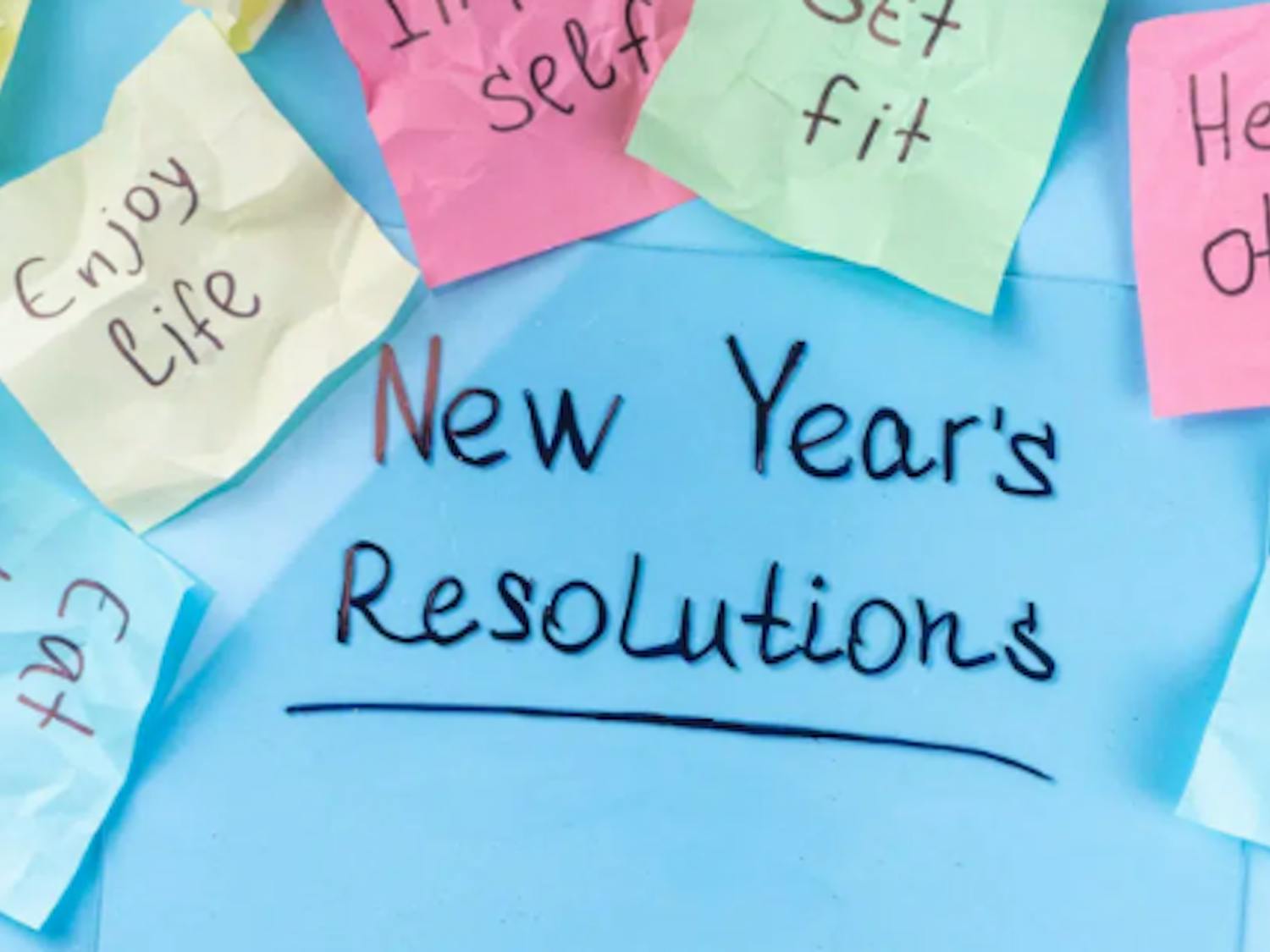
Forget Resolutions: Here’s How You Can Start 2026 Right
By Natalie Spina | Feb. 9Stop chasing a performative "New Year reset" that is practically designed to fail. Real transformation begins by trading loud, unrealistic resolutions for the quiet, sustainable habits that actually survive past January.

The Strong Black Woman Phenomenon, and Why it's Harmful
By Rosedanny Jeanpierre | Feb. 2Unpacking what the “Strong Black Woman” stereotype is, and examining how this phenomenon reduces women to only their strength, and harms the Black community as a whole.