
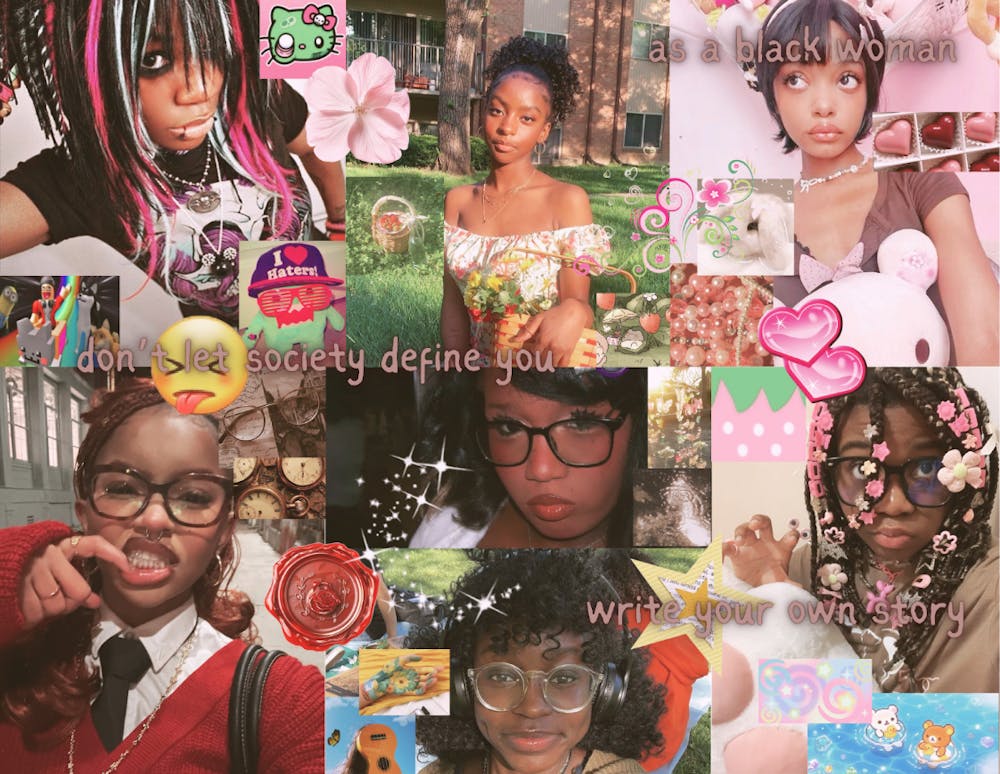
The “Strong Black Woman” trope is a stereotype that has been long integrated into American culture. It is the idea of the perfect black woman–one that is resilient, selfless, and doesn’t need help in the face of struggle. Comedian and spokesperson Dul-Sayin describes it as a black woman who can “succeed with no resources.”
This stereotype started (by, guess who, a Black woman) as a way to positively re-write the narrative about Black women. In the aftermath of slavery, a Black woman was perceived primarily in two ways: either an exotic temptress, or a caregiver.
Black suffragette Mary Church Terrell coined the motto, “Lifting as we climb,” about Black women during this time period, and in the 1950s and 60s, the modern image of the Strong Black Woman came to life. But over time, society began to reduce a Black woman to only her strength, reinforcing the idea that Black women can do anything and bear any burden without any help. This ideology quickly turned toxic when Black women found themselves harming their own mental and physical health trying to live up to this expectation. It also makes it easier for white people to excuse racism and its effects if Black women can simply “handle it.”
Due to years of racist and sexist societal pressure, Black women have had many responsibilities to carry without the ability to take time for themselves. This isn’t limited to a certain age group either. Black mothers, daughters, sisters, and aunts are all facing similar issues, which is why the Strong Black Woman trope does more harm than good for the mental health of many Black women.
While the strength in the face of adversity is at times admirable, Black women today may feel that they must work themselves up into this stereotype as well to feel “Black enough.” Instead of finding a way out of struggle, Black women have been conditioned to feel accustomed to work with it, deem it as normal, and just tough it out.
When it comes to depictions of the Strong Black Woman in the media, it is often implied that Black women do not need nor deserve systemic change because they are strong enough to resist oppression. Furthermore, when the Black women’s strength is celebrated, it’s usually only when it’s in service to other people. This may be partially the reason why even though Black women are twice as likely to experience depression than Black men, only half of them seek help.
To dismantle this damaging trope, we must collectively acknowledge the burden of racism, prioritize mental health, and demand systemic change. The power and strength of Black women should be admired, not exploited.
Read More

The Importance of Empathy in the Current Era
By Leila Golzari-Hunt | Feb. 19When political labels are weaponized to justify violence and strip victims of their dignity, we trade our shared humanity for partisan warfare. Reclaiming empathy is no longer just a moral choice—it is a desperate necessity to stop a culture that has become dangerously desensitized.

Black Girls Deserve Vulnerability—SZA Said it First
By Qitanah Pettiway | Feb. 13In a world that demands Black girls be strong and silent, SZA’s album, Ctrl, feels like a quiet rebellion. Explore how the popstar’s embrace of vulnerability carves out space for a new generation of Black women to exist freely, honestly, and on their own terms.
Forget Resolutions: Here’s How You Can Start 2026 Right
By Natalie Spina | Feb. 9Stop chasing a performative "New Year reset" that is practically designed to fail. Real transformation begins by trading loud, unrealistic resolutions for the quiet, sustainable habits that actually survive past January.